

Painting Trim, Doors, and Walls: Why One Product Is Not Enough
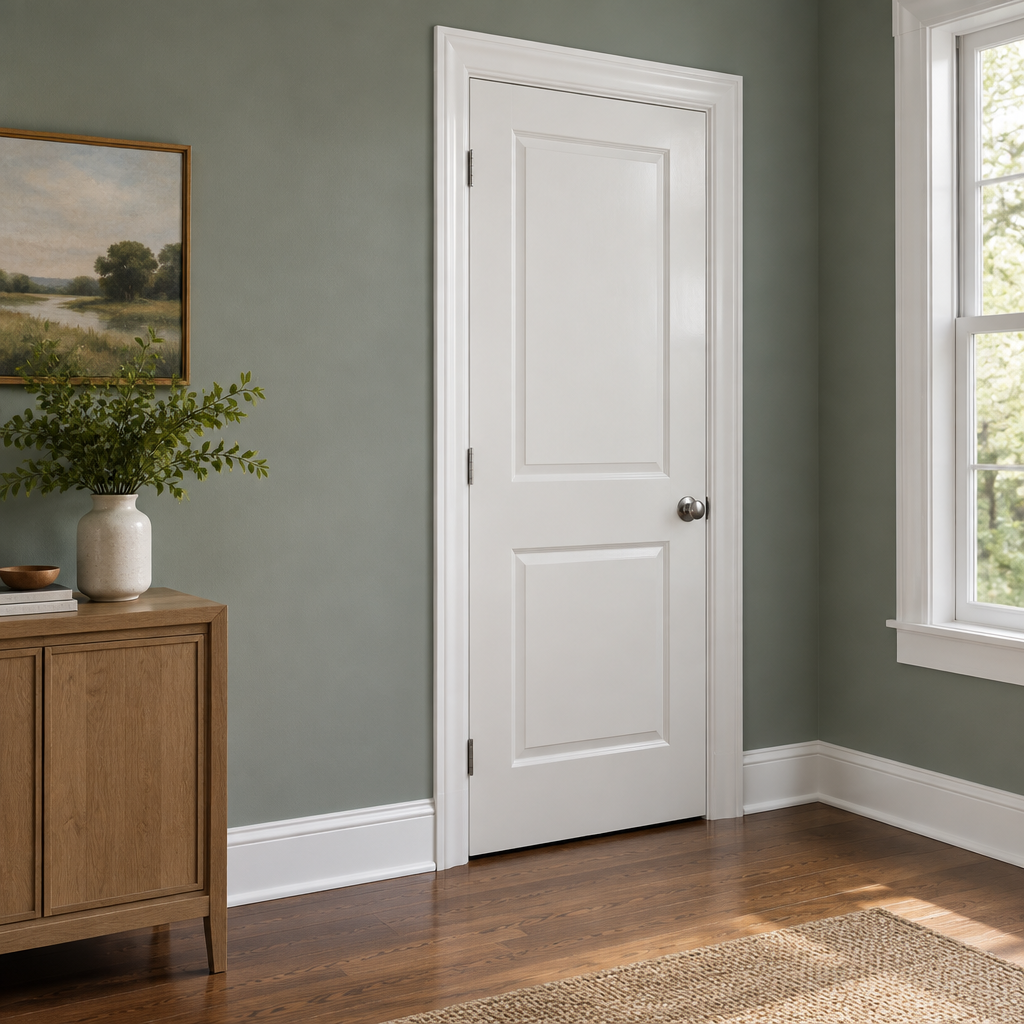
Walls need broad, even coverage, while doors and trim need a smooth, durable film that resists fingerprints, cleaning, and surfaces sticking together. Large cost overruns often begin with a small assumption left unchecked. With paint for trim doors and walls, those questions often concern access, existing damage, product compatibility, or work by another trade. Answering them early reduces risk to both timing and quality.
Match paint behaviour to the surface
Wall coatings are designed for rolling large areas and touch-up. Trim products often level differently and cure harder, which helps reduce brush marks and wear on edges.
Prepare factory and old finishes
Existing oil-based coatings, glossy enamel, factory primer, and previously repaired wood may require cleaning, scuffing, and a bonding primer. A test area can confirm compatibility.
Plan the order of work
Ceilings, walls, trim, and doors should be sequenced to control overspray, dust, and cut lines. Doors also need a rack or staging plan so both faces can cure without contact damage.
Allow cure time, not only dry time
A coating can feel dry while remaining soft under weather stripping, stacked doors, or heavy cleaning. Product instructions should guide when hardware, seals, and normal use resume.
Planning for GTA conditions
Temperature and humidity inside GTA homes can shift by season, affecting cure time. Busy households should plan access around doors and stairs rather than assume every painted surface is ready overnight. Across the GTA, an identical scope can perform differently from one property to the next. Winter thaws, exposed elevations, and summer moisture, older construction and narrow access routes, and municipal review requirements may each change the method. Approach paint for trim doors and walls as a property-based judgement, and confirm any permit and bylaw requirements with the municipality serving the address.
Questions to settle before pricing
Use the first site meeting about paint for trim doors and walls to separate must-do work from optional upgrades. Safety, water control, structure, code, and basic function should remain protected when the budget tightens. Decorative choices can then be ranked by value and timing. Ask for alternates that describe exactly what changes, including any effect on warranty, maintenance, energy use, appearance, or future repair. This creates real choices instead of a vague request to make the quote cheaper.
Practical planning checklist
- Identify existing oil, latex, and factory finishes.
- Choose separate wall and trim systems where needed.
- Set a door staging and hardware plan.
- Respect full cure guidance before heavy use.
The takeaway
The objective is not to maximize the work sold. The priority is a right-sized scope for paint for trim doors and walls, with enough detail to understand the price and judge the result. Use a coating system designed for each surface instead of forcing one can to do every job. For an assessment tied to a GTA property, contact MLB Painting through https://mlbpainting.ca/.
